
200 West African Soldiers, Mostly Nigerian, Ivorian, Remain in Benin for Post-Coup ‘Clean-up’
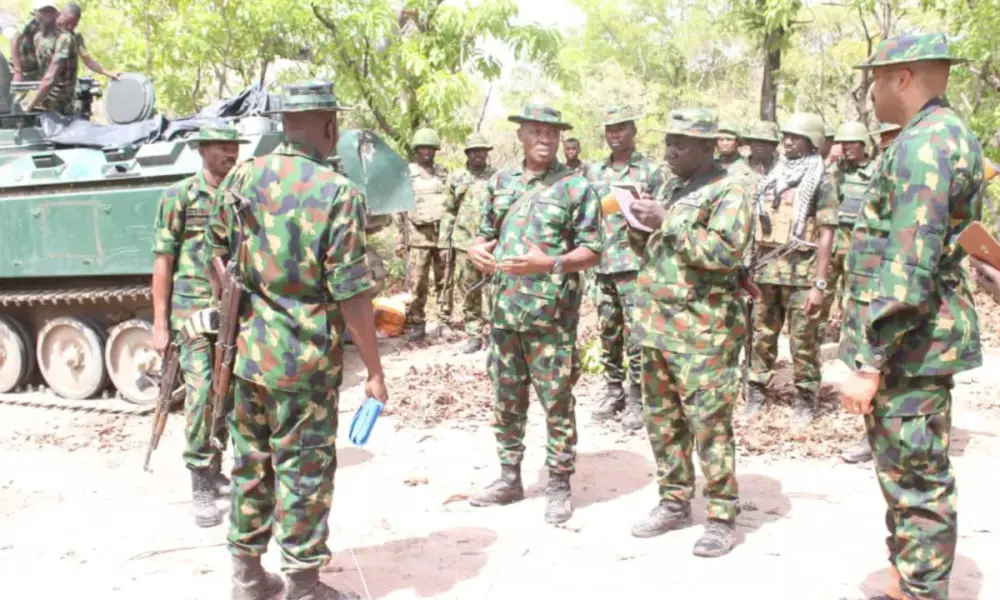
Benin’s Foreign Affairs Minister, Olushegun Adjadi Bakari, has confirmed that approximately 200 West African soldiers, primarily from Nigeria and Ivory Coast, were deployed to the Benin Republic to support the government following the failed coup attempt on Sunday.
The Minister disclosed on Thursday that some of these regional troops remain in the country to help with “sweep and clean-up” operations aimed at securing the country and apprehending remaining plotters.
Bakari, speaking in Abuja alongside Nigeria’s Foreign Minister Yusuf Maitama Tuggar, confirmed that the coup had already collapsed by the time Benin formally requested assistance. However, Benin’s forces needed targeted air support to effectively dislodge the rebels without causing civilian casualties.
* Nigerian Air Support: The coup attempt collapsed after Nigeria sent fighter jets into Beninese airspace. These airstrikes successfully forced the rebel soldiers out of a military base and the state television station they had seized.
* ECOWAS Deployment: The deployment of troops was coordinated by the Economic Community of West African States (ECOWAS) and included personnel from Nigeria, Ghana, Sierra Leone, and Ivory Coast.
An Ivorian security source confirmed that about 50 Ivorian soldiers were part of the regional force.
Tuggar emphasized that quick diplomatic, military, and intelligence cooperation between Nigeria and Benin was instrumental in stopping the coup, which Nigeria described as a “serious attack on democracy.”
Security forces are actively hunting down those involved in the plot. The leader of the failed coup, Lieutenant Colonel Pascal Tigri, is believed to have fled to neighboring Togo.
Beninese government officials are reportedly aware of his location and plan to submit a formal request for his extradition.
The rebel soldiers had justified their actions by citing President Patrice Talon’s alleged failure to address worsening insecurity in northern Benin, a region facing threats from jihadist groups linked to Islamic State and al-Qaeda.
Talks are ongoing regarding the duration of the regional troops’ stay, which Bakari said would be decided in tight collaboration with Benin’s security forces. This decisive regional intervention, following a string of successful coups in West Africa, signals ECOWAS’s firm commitment to defending democracy.