


FG Plans Borrowing N17.89 Trillion New Loans to Finance 2026 Budget

The Federal Government has proposed securing N17.89 trillion in new loans to help finance the 2026 national budget, amid growing fiscal pressures and a widening budget deficit.
The move, outlined in the 2026 Abridged Budget Call Circular, reflects a significant increase compared with the N10.42 trillion borrowed for the 2025 fiscal year.
The government projects a total expenditure of N54.43 trillion for 2026, leaving a deficit of approximately N20.10 trillion, or about 3.61 per cent of Gross Domestic Product (GDP). To bridge this gap, additional borrowing has become a key component of the fiscal plan.
A substantial portion of the proposed loans is earmarked for debt servicing, which is expected to consume nearly N15.91 trillion, or almost 30 per cent of total planned expenditure.
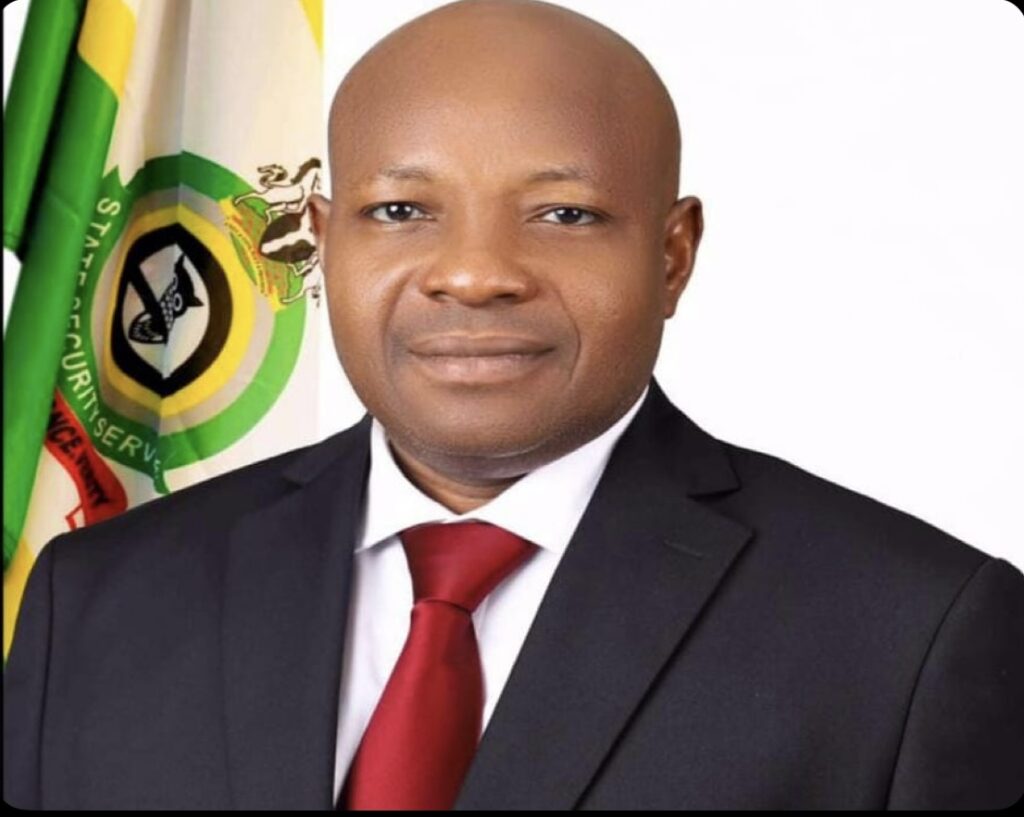
The Minister of Budget and Economic Planning, Atiku Bagudu, explained that the budget was prepared using conservative revenue projections, including an oil production benchmark of 1.8 million barrels per day and an oil price of $64.85 per barrel.
Despite modest expectations for revenue growth, the government acknowledges the continued need for borrowing to cover the shortfall between projected income and planned expenditure.
While borrowing remains a crucial tool for fiscal management, analysts have expressed concern over Nigeria’s rising debt burden. With total public debt approaching N160 trillion, critics warn that heavy reliance on loans — particularly when debt servicing consumes a significant share of revenue — could constrain investments in critical sectors such as infrastructure, healthcare, and education.
The proposed borrowing plan, part of the broader 2026 Appropriation Bill and Medium-Term Expenditure Framework (MTEF), has been submitted to the National Assembly for review and approval.
Lawmakers are expected to assess the implications for debt sustainability, revenue forecasts, and sectoral allocations before granting the government the authority to raise the funds.
The government maintains that the loans are necessary to ensure the execution of priority projects and the continuity of essential services, while managing the economic challenges posed by fluctuating oil prices and other macroeconomic pressures.
This proposed borrowing plan underscores the delicate balance the Federal Government must strike between financing development, maintaining fiscal discipline, and safeguarding long-term economic stability.