


Nigeria Launches Major Revenue Centralisation Reform, Biggest Overhaul Since TSA
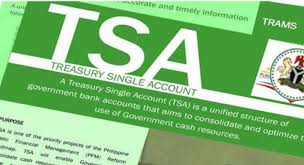
Nigeria has introduced a sweeping reform to centralise all federal revenue collections, marking the most ambitious upgrade to public finance management since the Treasury Single Account (TSA) was created nearly a decade ago.
The initiative, unveiled by the Office of the Accountant-General of the Federation, brings together key government financial systems — including the TSA, the Government Integrated Financial Management Information System (GIFMIS), the Central Bank of Nigeria, and the Nigeria Inter-Bank Settlement System — into a single digital platform designed to tighten control over how ministries, departments and agencies generate and remit revenue.
At the heart of the reform is a new technology framework known as the Revenue Optimisation Platform (RevOp). The system will handle everything from billing and monitoring to reconciliation and real-time reporting of revenue flows nationwide.
Authorities say it will close loopholes that have allowed leakages, unremitted funds and corruption to thrive for years.
Beginning January 1, 2026, all federal payments must be made electronically. The government will issue a new Federal Treasury e-Receipt (FTeR), which will serve as the only valid proof of payment. Physical cash collections, manual receipts and unofficial payment channels will no longer be accepted.
Officials describe the reform as a decisive step toward transparency and accountability.
By automating payments and consolidating data, the government expects to gain real-time visibility into how much each agency collects, where funds originate from, and how quickly they are remitted.
The system is also expected to improve forecasting, budgeting accuracy and overall fiscal stability.
The move follows longstanding concerns about revenue leakages in federal agencies, with billions of naira reportedly lost annually due to manual processes and weak oversight.
Authorities believe that shifting to a fully digitised system will significantly reduce opportunities for diversion of funds.
However, the transition is expected to come with challenges. Federal agencies will need to upgrade their systems, retire old payment methods and retrain staff to meet new requirements. Citizens and businesses accustomed to cash-based transactions may also face an adjustment period as electronic payments become mandatory.
Despite the hurdles, the centralisation effort is being widely viewed as a major step toward modernising Nigeria’s public financial architecture. If fully implemented, analysts say the reform could improve revenue performance, strengthen public trust and help the government better manage economic pressures in the years ahead.