
Only APC-Registered Members Will Get Contracts, Appointments, Insists Eno
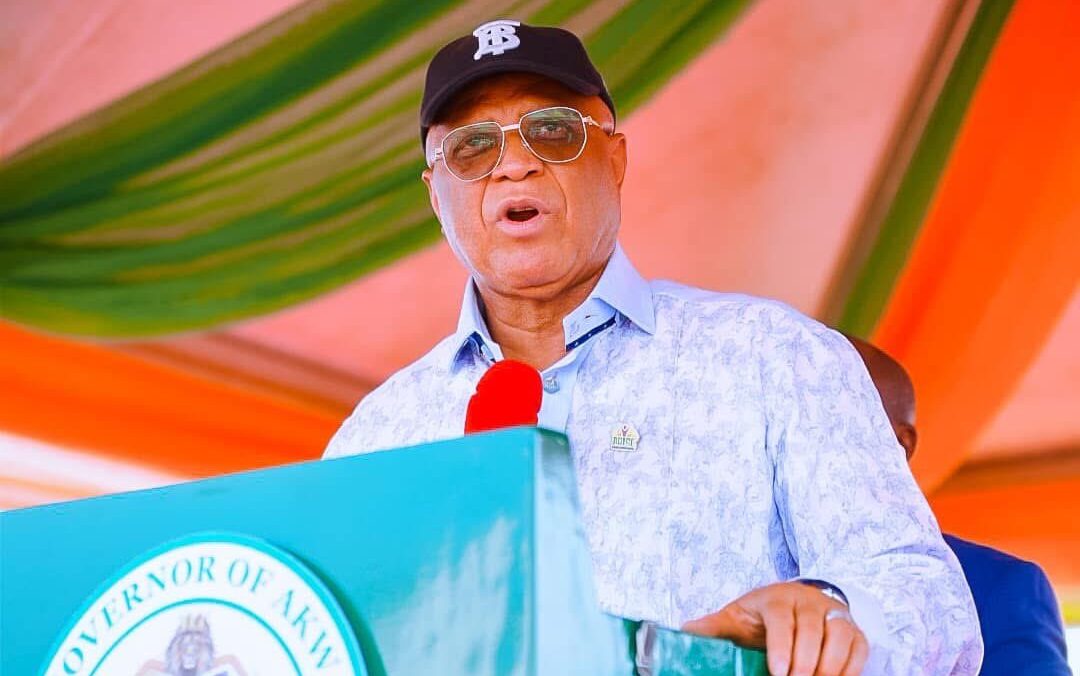
Gov. Umo Eno of Akwa Ibom State has announced that only members of the All Progressives Congress (APC) whose names appear on the official party register will be eligible for government contracts and appointments — a major shift from the inclusive governance promise he made when he defected from the Peoples Democratic Party (PDP) earlier this year.
The governor made the declaration on November 29 during a meeting with APC elders at Ukana, Essien Udim, the hometown of Senate President Godswill Akpabio.
He stated that all earlier dissolved boards and commissions would now be reconstituted strictly using the APC party register, making party membership a key requirement for anyone seeking government roles or contract opportunities.
Eno warned that aides and officials who are not APC members — or are suspected of disloyalty — should resign, insisting that those serving in his administration must fully align with the party.
His comments stand in clear contrast to his earlier public assurances that governance in the state would not be influenced by political affiliation. At the time of his defection, the governor had emphasized that political parties were merely “vehicles for elections,” and that after elections, government should serve all citizens regardless of party loyalty.
Political observers say the latest statement signals a consolidation of APC influence in Akwa Ibom State, especially given the presence of top political figures, including former ministers and senators, at the meeting where the policy was announced.
Critics, however, argue that the new directive undermines merit-based governance, potentially excluding competent professionals who are not APC members.
They warn that it could entrench political patronage and weaken public trust in the neutrality of government institutions.
The development has sparked conversations around fairness, inclusivity, and the possible long-term impact on political participation in the state. Many will be watching how the governor implements the new policy, how boards and commissions are reconstituted, and whether opposition parties or civil-society groups will challenge the decision.