
FIFA Introduces Mandatory Hydration Breaks for 2026 World Cup Matches
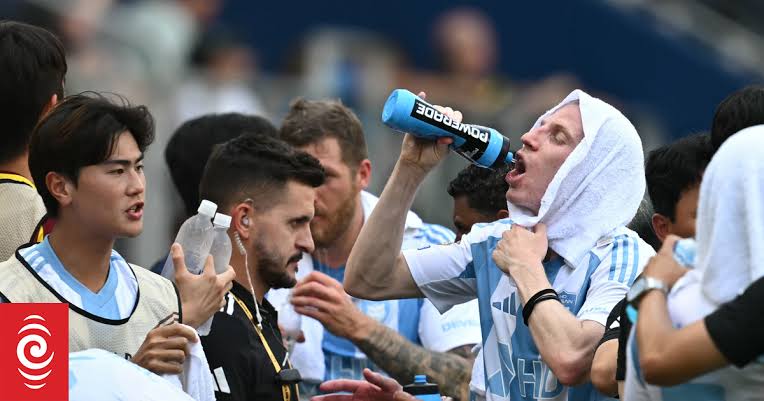
FIFA has confirmed that all matches at the 2026 World Cup will feature a three‑minute hydration break in each half, marking a first for the tournament.
The short pauses will occur approximately 22 minutes into each 45‑minute half, allowing players to rehydrate and recover, regardless of venue or weather conditions.
The decision was announced by FIFA officials as part of the organization’s ongoing commitment to player welfare.
While hydration breaks have been used in past tournaments under extreme heat conditions, the 2026 World Cup will implement them uniformly for every game.
FIFA tournament officials emphasized that the measure is designed to protect players’ health, prevent heat‑related issues, and maintain peak performance throughout matches.
The fixed breaks effectively divide each half into two segments, introducing a quasi‑quarter structure to World Cup matches. Officials have clarified that if a stoppage occurs near a scheduled hydration break — for instance, due to injury — referees will adjust the timing accordingly to maintain consistency.
Beyond player welfare, the breaks are expected to influence match tactics. Coaches and players can use the pauses to adjust strategy, manage substitutions, and regain focus. Analysts also note potential benefits for broadcasters, as the predictable stoppages create standardized windows for commercial opportunities.
Reactions to the new rule have been mixed. Supporters praise FIFA for prioritizing athlete safety and adapting to modern sports science recommendations, especially considering the potential high temperatures at host venues in the United States, Canada, and Mexico. Critics, however, suggest the hydration breaks could disrupt the flow of matches and question whether they may be used to accommodate advertising needs.
FIFA maintains that the primary objective remains player safety and performance, emphasizing that hydration is crucial in high‑intensity tournaments.
As the 2026 World Cup approaches, teams, coaches, and fans will be closely observing how the new breaks impact match tempo, strategy, and overall tournament dynamics.