

Nigeria’s External Reserves Hit 6-Year High at $45 Billion
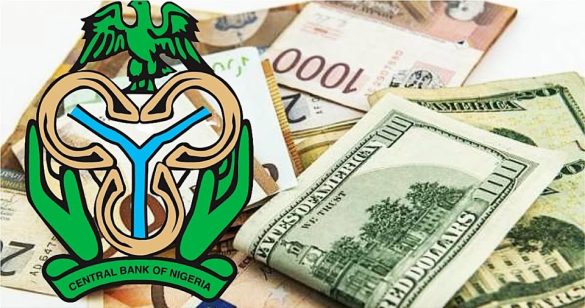
Nigeria’s gross external reserves have crossed the $45 billion threshold, reaching a historic high not seen in over six years, according to the latest figures released by the Central Bank of Nigeria (CBN).
The reserves, now estimated at approximately $45.04 billion, signal a significant improvement in the country’s external financial position. The increase in reserves is largely attributed to a combination of higher crude oil receipts, renewed foreign investor interest, and consistent interventions by the CBN in the foreign exchange market. Analysts also highlight the impact of recent sovereign Eurobond issuances, which brought in an estimated $2.3 billion in fresh capital, alongside tighter macroeconomic management that helped stabilize inflows. The CBN has been steadily building up the reserves throughout 2025, benefiting from improved crude production, reduced import bills following downstream petroleum sector reforms, and growing non-oil receipts. These measures have collectively strengthened Nigeria’s foreign exchange position, giving the country greater flexibility in managing external obligations. Market experts note that the current level of reserves provides roughly 8 to 11 months of import cover, a significant buffer compared to earlier periods this year. This strong reserve position also enhances the CBN’s ability to intervene in the foreign exchange market to curb volatility and stabilize the naira, boosting investor confidence in the Nigerian economy. Despite the positive development, analysts caution that sustaining this level of reserves will depend on several factors, including stable global oil prices, continued access to external financing, and disciplined management of foreign exchange demand from importers and corporate entities. Any disruptions in these areas could affect the country’s ability to maintain its current external position. The crossing of the $45 billion mark marks the highest reserves level since July 2019, underlining a period of improved economic management and external liquidity. Observers say this development strengthens Nigeria’s macroeconomic fundamentals and positions the country to better manage its fiscal and monetary policies in the lead-up to 2026. The CBN is expected to continue publishing weekly and monthly updates on the external reserves, which will provide further insight into the sustainability of this growth and its impact on the broader economy.