

Ghana’s Foreign Reserves Surge to $11 Billion on Gold, Cocoa Exports
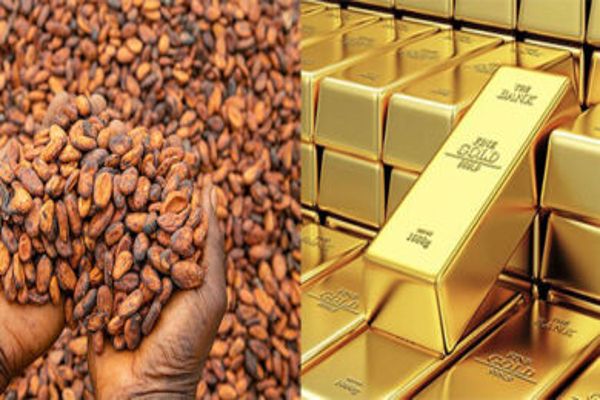
Ghana’s gross international reserves have climbed to approximately US$11.4 billion, buoyed by strong export performance in gold and cocoa, according to recent data from the Bank of Ghana (BoG).
The rise in reserves marks a significant milestone, surpassing some of the targets set by both the central bank and international financial institutions.
A substantial portion of the increase came from cocoa exports, which contributed around US$2.7 billion, while gold exports have also recorded strong inflows, supported by state measures to better manage and channel earnings into official reserves. Analysts note that mechanisms such as the Ghana GoldBod have helped ensure more revenue from gold reaches the formal economy rather than leaking through informal channels.
The boost in reserves is expected to strengthen Ghana’s economic stability. A higher reserve position provides a buffer for meeting import obligations, stabilizing the national currency, and building investor confidence. It also creates fiscal space for the government to invest in infrastructure, social programs, and other development priorities.
Despite the positive trend, experts caution that Ghana’s reliance on commodities like gold and cocoa leaves the economy vulnerable to global price fluctuations. Any sharp decline in international prices could quickly erode the gains, highlighting the need for economic diversification to reduce overdependence on a narrow set of exports.
While the reserve surge is a welcome development, analysts emphasize that translating foreign‑exchange gains into broad-based economic growth requires careful planning, effective policy implementation, and strategic investment in non‑commodity sectors.
As Ghana enjoys one of its strongest reserve positions in recent years, stakeholders remain optimistic but urge caution, stressing that sustaining this momentum will require both prudent fiscal management and economic diversification.