



CDC Advisory Panel Delays Vote on Proposed Changes to Newborn Hepatitis B Vaccine Recommendation
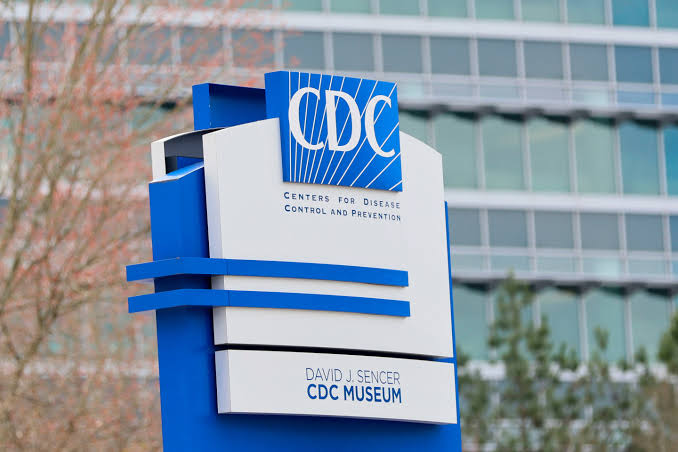
The Centers for Disease Control and Prevention (CDC) Advisory Committee on Immunization Practices (ACIP) on Thursday postponed a vote on a controversial proposal to change the longstanding recommendation for the Hepatitis B vaccine given at birth.
The delay comes after committee members expressed confusion over the wording of the proposed changes and requested additional time to review the supporting data before making a decision.
The vote is now expected to take place on Friday morning.
Under current CDC guidelines, newborns receive the first dose of the Hepatitis B vaccine within 24 hours of birth—a policy in place since 1991 credited with drastically reducing childhood Hepatitis B infections in the United States.
The proposed change would limit the birth dose to infants born to mothers who test positive for Hepatitis B, while other newborns would receive their first dose later, either at one month of age or according to a shared decision-making approach between parents and healthcare providers.
The proposal has sparked intense debate within the medical community. Pediatricians and public health experts warn that delaying or limiting the birth dose could reverse decades of progress in preventing the virus. Infants exposed to Hepatitis B in the first months of life are at high risk of developing chronic infection, which can lead to serious liver disease, including cirrhosis and liver cancer, later in life.
Supporters of the postponement argue for caution, citing uncertainties about long-term immune response and potential adverse reactions in newborns.
Nevertheless, critics have voiced concern that any delay in the vaccination schedule could leave infants unprotected during a critical period when the virus is most easily transmitted from mother to child.
The ACIP’s recommendation is advisory, and any final policy change would require approval by the acting CDC director or the U.S. Department of Health and Human Services. Until a decision is made, pediatricians and health organizations continue to stress that the current birth-dose policy remains the safest and most effective strategy to prevent Hepatitis B transmission in newborns.
The committee’s decision is being closely watched by public health professionals nationwide, given the potential implications for vaccine policy and the prevention of Hepatitis B infections in the earliest stages of life.