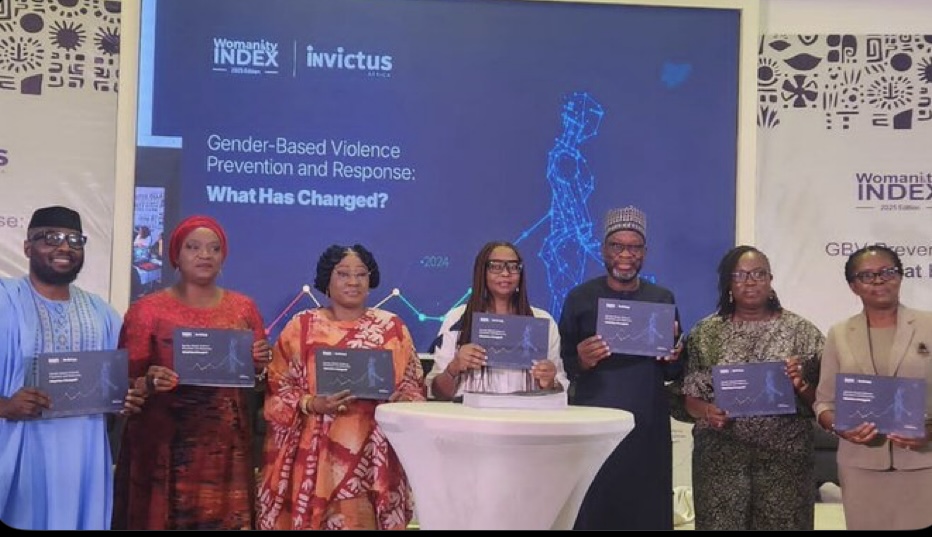
Civil society organisations, women’s rights advocates, development partners and policy experts have called on federal and state governments to significantly increase funding for gender-based violence (GBV) prevention and survivor-support services, warning that current allocations fall far short of the growing needs across the country.
The appeal was made during activities marking the 2025 16 Days of Activism Against Gender-Based Violence, where participants highlighted critical financing gaps, weak enforcement of laws and a worrying rise in both physical and digital forms of violence.
Stakeholders acknowledged recent government commitments, including plans for an Emergency GBV Response Fund, but stressed that implementation has been slow. They said survivors continue to struggle with limited access to shelters, medical care, psychosocial support, legal aid and safe reporting channels
Advocates also raised the alarm over an increase in femicide, domestic abuse and sexual assault, noting that many cases go unreported due to stigma, fear and inadequate response systems.
They further highlighted the rapid rise of digital GBV—such as cyberstalking, image-based abuse and online harassment—calling for urgent legal reforms and stronger collaboration with tech platforms.
While international organisations continue to support awareness campaigns and service provision, experts warned that donor support alone cannot sustain national GBV response mechanisms.
They urged state governments yet to domesticate or implement the Violence Against Persons Prohibition (VAPP) Act to do so without delay
Key recommendations from the engagements include immediate activation of the Emergency GBV Response Fund, higher budgetary allocation for GBV programmes, improved data collection, expansion of shelters and legal aid centres, and strengthened enforcement of GBV laws.
Advocates say Nigeria faces a critical moment that requires decisive action, stressing that increased funding and strong political will remain essential to protecting women, girls and vulnerable groups nationwide.