



Nigerian Academy of Education Calls for Reversal, Condemns FG Scrapping of National Language Policy
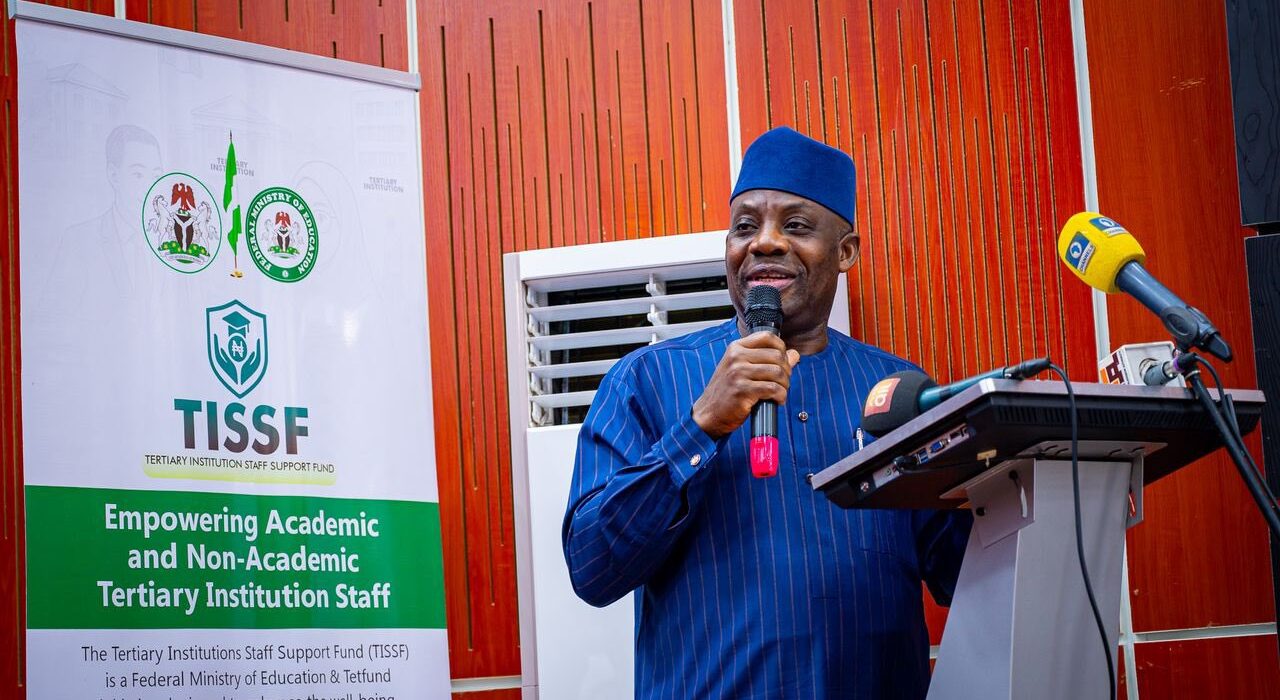
The Nigerian Academy of Education (NAE) has expressed strong opposition to the Federal Government’s recent decision to scrap the National Language Policy (NLP), urging the Minister of Education, Maruf Alausa, to reverse the move and reinstate mother-tongue instruction at the foundational levels of schooling.
The controversy stems from the government’s announcement that English will now serve as the sole medium of instruction across schools, overturning the policy introduced in 2022 which mandated the use of indigenous languages for early childhood and primary education. Education experts and the NAE argue that teaching children in their mother tongue during the early years improves comprehension, cognitive development, and learning outcomes while also preserving cultural and linguistic heritage.
In a position paper submitted to the Minister and made public on November 25, the NAE described the policy reversal as a “grave disservice” to the nation’s educational system, warning that it risks undermining foundational literacy and numeracy skills, particularly in rural and marginalized communities.
The Academy further challenged the government’s justification — based on claims of declining academic performance in areas where mother-tongue instruction was implemented — emphasizing that there is no credible empirical evidence linking early indigenous-language teaching to widespread failure in national examinations.
The NAE called for the immediate reinstatement of the National Language Policy and stressed the importance of supporting its effective implementation. Recommendations include enhanced teacher training, provision of learning materials in indigenous languages, stakeholder engagement, and regular evidence-based monitoring and review of the policy’s impact.
Critics of the policy reversal warn that abandoning mother-tongue instruction not only threatens educational outcomes but also erodes cultural identity and inclusivity, while disproportionately affecting children in non-urban regions who rely on early access to learning in their native languages.
The debate has become a focal point in Nigeria’s broader struggle to balance global competitiveness through English-language education with the preservation of indigenous languages and equitable access to quality learning.
The NAE’s call reflects growing concern among education stakeholders that the reversal could compromise the country’s long-term educational development unless decisive corrective action is taken.