



Agriculture Leads Growth in November 2025 as Nigeria Records 12th Consecutive Month of Economic Expansion
Nigeria’s economy has marked a full year of continuous growth, with the latest data showing the private-sector Purchasing Managers’ Index (PMI) rising again in November 2025.
The composite PMI reached 56.4 points, up from 55.4 in October, indicating stronger and more widespread activity across the country.
The report highlighted expansion in all three major sectors industry, services, and agriculture signaling that the economic upturn is broadly based and not confined to a single area.
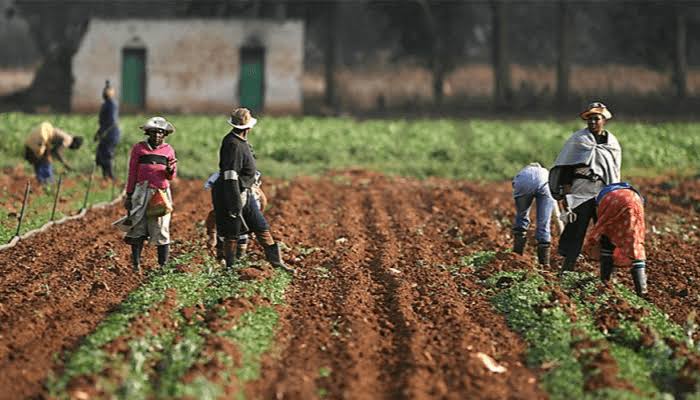
Agriculture stood out as the most dynamic sector, registering a PMI reading of 58.2 points. This represents the 16th consecutive month of growth for the sector, with all its major subsectors showing positive trends.
The performance reflects increased farming activity, higher output, and sustained demand for agricultural products, emphasizing the sector’s crucial role in supporting economic resilience beyond the oil industry.
The industrial sector posted a PMI of 54.2, supported by higher manufacturing output, improved supplier deliveries, and increased business orders.
Ten out of 17 industrial subsectors tracked showed growth during the month. Meanwhile, the services sector recorded 56.8 points, reflecting rising demand, expanded business activity, and growing confidence among firms.
All 14 services subsectors included in the survey reported expansion in November.
Overall, 29 out of 36 subsectors surveyed reported growth, the highest number so far in 2025, demonstrating the breadth of the economic recovery.
Analysts note that the sustained PMI expansion suggests stronger business confidence, rising demand, and higher production, which could translate into increased output and potential employment gains.
The broad-based growth, led by agriculture, indicates progress in diversifying the economy away from oil dependence.
The PMI reflects survey responses from businesses and does not serve as an official forecast or guarantee of future performance. Nevertheless, the strong trends in agriculture, manufacturing, and services offer a positive outlook for the final quarter of 2025.
With growth momentum sustained across multiple sectors, Nigeria’s economic recovery appears to be solidifying, provided macroeconomic stability is maintained and structural challenges are addressed.