
Trump Approves Sale of F-35 to Saudi Arabia, Reshaping Regional Military Balance
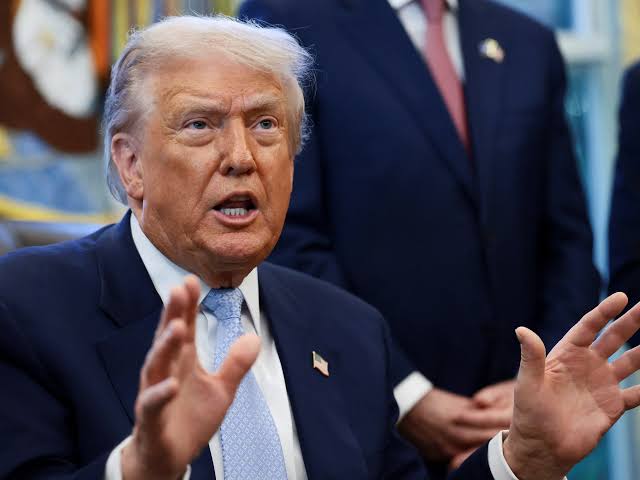
President Donald Trump has indicated that he is prepared to authorize the long-sought sale of F-35 stealth fighters to Saudi Arabia, a decision that could significantly alter the air-power dynamics of the Middle East.
The move would position the kingdom as the first nation in the region, aside from Israel, to fly the U.S.-made fifth-generation jet — a development with far-reaching diplomatic, strategic, and security implications.
Saudi Arabia has pursued the advanced aircraft for years, aiming to modernize its air force with a platform capable of deep-strike missions, high-end surveillance, and unmatched stealth capabilities.
The proposed package reportedly includes about 48 aircraft and carries an estimated multibillion-dollar price tag, placing it among the most expensive U.S. defence sales to the kingdom in decades.
Trump’s announcement comes amid strengthened ties between Washington and Riyadh, with both governments engaging in broader discussions on defence cooperation, industrial partnerships, and long-term security coordination.
For the administration, the potential sale underscores a continued commitment to a close alliance with Saudi Arabia, despite ongoing debates in the United States about human-rights concerns, regional interventions and the kingdom’s growing relationships with non-Western powers.
The possible transfer, however, is already generating anxiety in Israeli political and defence circles. Israel has long enjoyed exclusive access to the F-35 in the Middle East — a key element of its “qualitative military edge,” the long-standing U.S. policy ensuring Israel maintains superior capabilities compared to its neighbours.
Officials in Jerusalem are expected to push for additional guarantees or compensatory agreements should Washington proceed with the deal.
In the United States, lawmakers from both parties have signalled that they will closely examine the proposal once it reaches Congress. Concerns include the protection of sensitive technology, Saudi Arabia’s internal political climate, and the broader consequences of introducing another F-35 operator into a region already marked by complex rivalries.