
House of Reps Devote Full-Day Debate on National Security Amid Spike in Violence
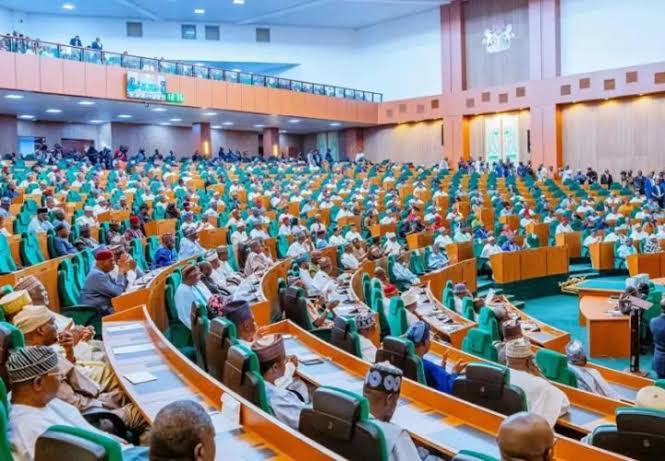
Nigeria’s House of Representatives has scheduled a full-day debate on national security for this Thursday, as the nation grapples with escalating violence, abductions, and mass killings across several regions.
The decision was announced on Tuesday by Speaker **Tajudeen Abbas**, who stressed that the deteriorating security landscape demands urgent legislative and collective action.
Speaking during plenary, Abbas emphasized that the depth and spread of the crisis call for more than temporary fixes.
He said the debate will engage members of the House, security agencies, and other stakeholders, aiming to forge a more effective response to the growing wave of insecurity.
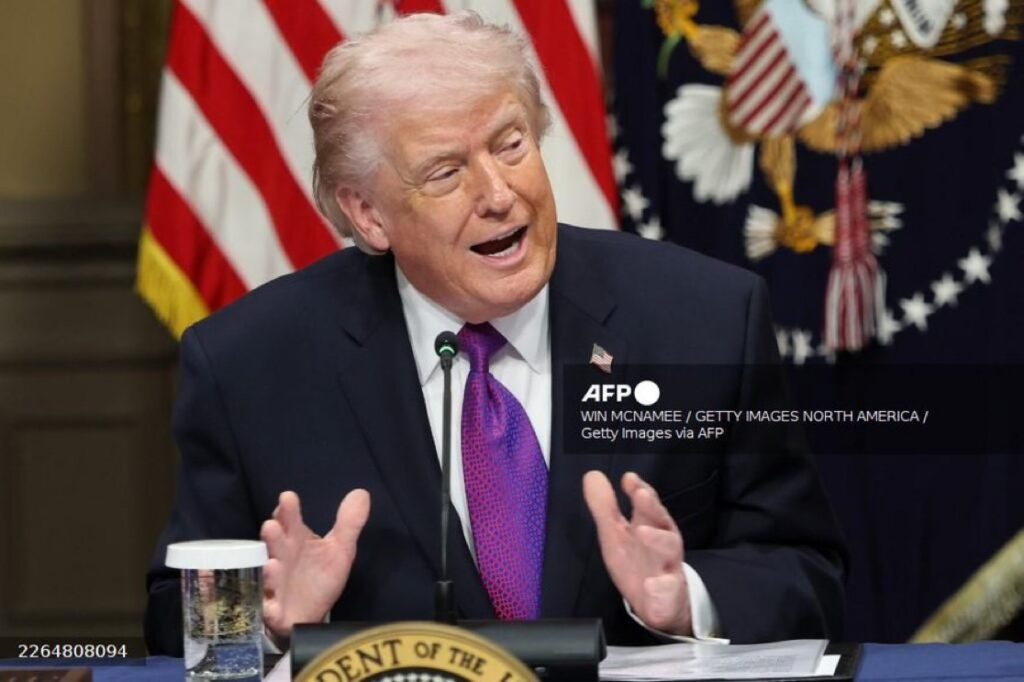
The move comes amid heightened global scrutiny of Nigeria’s security crisis following forceful remarks by U.S. President Donald Trump Trump, citing what he characterized as record numbers of Christians being killed in Nigeria, threatened possible military intervention, saying he had directed the Pentagon to “prepare for action.”
He further suggested that a U.S. intervention would be “fast, vicious, and sweet,” should Nigeria fail to act — language that has sparked fear and controversy.
Nigeria’s government has forcefully rejected claims of a Christian genocide. Abuja argues that the violence is not confined to any single religious group, noting that Muslims and traditional worshippers have also suffered in the country’s long-running security challenges.
Meanwhile, the Foreign Affairs Ministry and other officials have cautiously welcomed American assistance, but only on the condition that Nigeria’s sovereignty is respected.
Security experts and analysts caution against a simplistic religious framing of Nigeria’s crisis, noting that the violence is deeply rooted in multiple, overlapping conflicts.
These include longstanding insurgencies by Boko Haram and ISWAP, banditry in the northwest, and communal clashes in the central regions.
Many of the attacks are indiscriminate and motivated by more than just religion.
Speaker Abbas has previously called for a multidimensional response to insecurity, urging investment in “non-kinetic” strategies — such as community reconciliation, economic empowerment, and local policing — in addition to military measures.
He argues that long-term peace will depend on addressing the root causes of unrest, not just the symptoms.
The full-day national security debate planned for Thursday is expected to reflect that comprehensive vision. Legislators will likely press for both immediate actions — such as deploying more security forces to affected areas — and structural reforms, including improved border control and strengthened intelligence architecture.
Abbas has in recent months highlighted porous borders as a major vulnerability in Nigeria’s security system.
As Nigerians await Thursday’s session, the world watches closely — not just for the outcome of the debate, but for signals on whether the country can chart a more unified and sustainable way out of its security quagmire.